Diners, Drive-Ins and Dives: The Truth About Curry Pizza

April the 5th, Year of Our Lord Who Clearly Abandoned Us That Day.

It began, as most epic quests do, with unfounded optimism and a full tank of petrol. We’d been road-tripping like giddy squirrels—Goblin Valley, Hanksville, Capitol Reef—just good honest dirt, rocks, and the occasional windblown granola bar. And then, as the sun plunged into the abyss and the icy breath of night crawled over us…

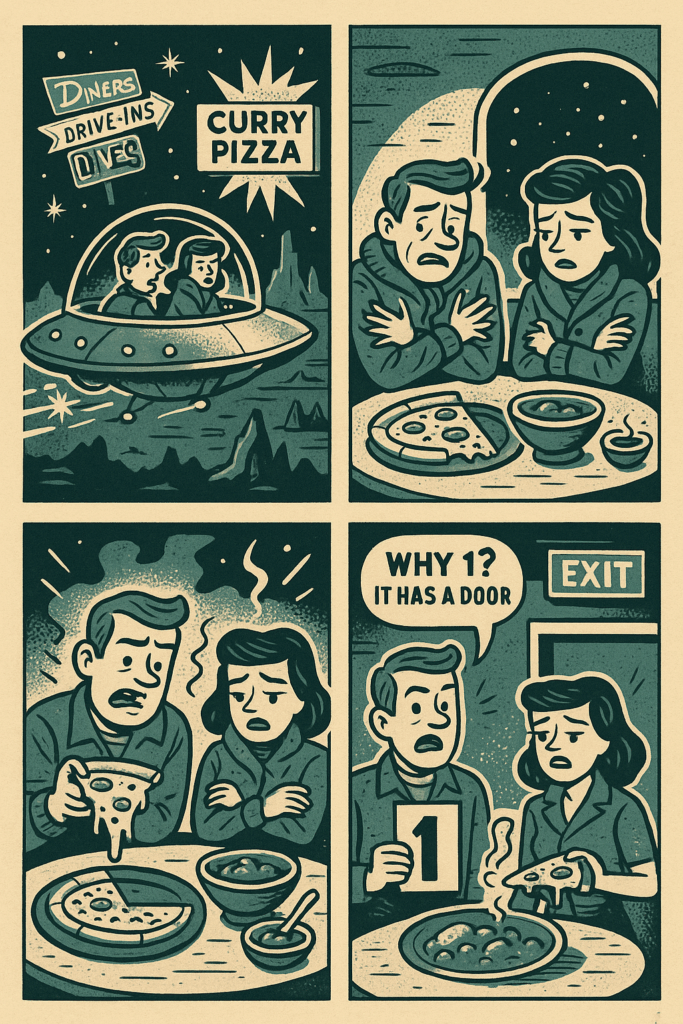
A light! A beacon! A Curry Pizza establishment!

And lo, it bore the holy sigil of the Divine Guy Fieri, Patron Saint of Flavortown™ and wielder of the mighty sauce ladle. Diner, Drive-In, or Dive—who could say? But it bore the same greasy imprimatur.

We were famished. We were excited. We were… about to be betrayed.

Act I: The Arrival

We parked our chariot (That that day identified as a Subaru Outback, 2012, noble steed of the American West) and galloped inside, dreams of exotic flavours dancing in our minds.

But then… the cold.

Not metaphorical cold. No, no. This was the kind of cold usually reserved for morgues, polar bear enclosures, and failed marriages. We huddled at our table like penguins in parkas, the air conditioning unit apparently dialled to “Cryogenic”.

Act II: The Waiting Game

Time passed. A lot of it. Somewhere in the distance, an hour expired.

Then, with the dramatic flourish of a limp handshake, came the pizza.

Then, after a brief intermission and spiritual decline, arrived the curry.

Act III: Culinary Catastrophe

Let us begin with the pizza.

It resembled—how shall we say this diplomatically?—a middle school Home Ec project performed under duress. A frozen crust, topped with what can only be described as “tomato juice squirted in a circle” and crowned with chunks of chicken that likely lived their best life inside a tin can in Nebraska.

The curry? Oh, dear reader, the curry.

Imagine tomato soup. Not a nice one. Not your grandmother’s lovingly stirred bisque. No, this was Dollar Tree Gazpacho with that same tragic chicken bobbing about like sad icebergs of regret.

We took one bite. We pondered the futility of life. We left.

Act IV: The Aftermath

We abandoned everything but a single, shivering slice of pizza, left on the tray as a cautionary tale to future pilgrims.

On a scale from 1 to 10, we gave it a 1.

Why 1?

Because it had a door.

A functioning one.

One we could flee through.

Praise be.

Epilogue: Reflections from the Flavourless Frontier

It’s taken two months to compose this literary regurgitation. Not because we’re slow typists, but because trauma has to marinate.

We ask ourselves now, staring blankly into the distance:

Are any of the Diners, Drive-Ins and Dives actually good?

Or is it a giant televised conspiracy of dives?

Only time, and gastrointestinal fortitude, will tell.

Until then, dear readers, beware the glowing lights in the desert. Not all who glitter are good. Some serve curry pizza.

And some…

shouldn’t.
Technological Upheaval and the Utter Inconvenience of Not Evolving

A Public Service Announcement from the Ministry of Outdated Professions

Narrator (in an overly serious tone):

In the vast and confusing timeline of human civilization, there have been three immutable truths:

1. Tea is best served with a biscuit.

2. You will lose your income if you don’t learn the new gizmo.

3. And nobody expects the Artificial Intelligence Inquisition.

CHAPTER ONE: THE AGE OF SWEATY LABOR AND OTHER UNPLEASANT THINGS

Once upon a time, people did things the hard way: lifting, digging, forging, and shouting at oxen who simply didn’t care. Enter the Industrial Revolution—also known as “That Time When Machines Started Stealing Everyone’s Jobs and No One Knew How to Turn Them Off.”

The Luddites, who were skilled artisans with a deep hatred for sewing machines and common sense, declared war on technology. Their weapons of choice? Hammers. Their battle cry? “Oi, not on my watch!”

Outcome?

Machines: 1

People with hammers: 0

CHAPTER TWO: ELECTRICITY! (Also Known as “The Devil’s Lightning”)

With the introduction of electricity, humanity discovered that candles were entirely too romantic and insufficiently hazardous.

Henry Ford, a man with a dream and too many spare parts, invented the assembly line, where workers did the same thing repeatedly until either:

• They achieved financial stability, or

• They lost the will to live.

Those who mastered this electrified world became rich industrialists with fine moustaches. Those who didn’t? Became anecdotes in ironic blogs.

CHAPTER THREE: THE COMPUTER ARRIVES, DESTROYS TYPEWRITERS, EATS JOBS

In the 1980s, a mysterious beige box appeared in offices. It made beeping noises, had a mouse, and terrified accountants everywhere.

What is a spreadsheet?” they cried.

Where’s the paper?” they wailed.

Why is my cursor blinking at me like it knows I’m incompetent?

Those who embraced the computer became software engineers, graphic designers, and people who could wear jeans to work.

Those who didn’t became… your uncle who still prints emails.

CHAPTER FOUR: ARTIFICIAL INTELLIGENCE (And Why It’s After Your Job and Probably Your Cat)

Now we live in the Era of Algorithmic Mayhem, where machines don’t just assemble—they think. Sort of. Enough to write poetry and replace Steve in Marketing.

Today’s AI can write your emails, draw your cartoons, and almost understand sarcasm.

It’s learning fast.

Too fast.

Like “teach a toaster to invest in crypto” fast.

Modern professions under threat include:

• Writers

• Coders

• Uber drivers

• Medieval lute players (again)

But! Those who adapt become Prompt Engineers, AI whisperers, and Supreme Technological Overlords of the Third Spreadsheet.

MORAL OF THE STORY (In Case You Skipped to the Bottom)

If you don’t level up, technology will quietly sneak into your office, sit at your desk, and start doing your job better than you, all while sipping your coffee.

If you do level up, you’ll ride the robotic rhinoceros of progress into a future filled with flying taxis, smart toasters, and slightly unsettling chatbot companions.

FINAL WORDS FROM SIR NIGEL BOT-TAMER III:

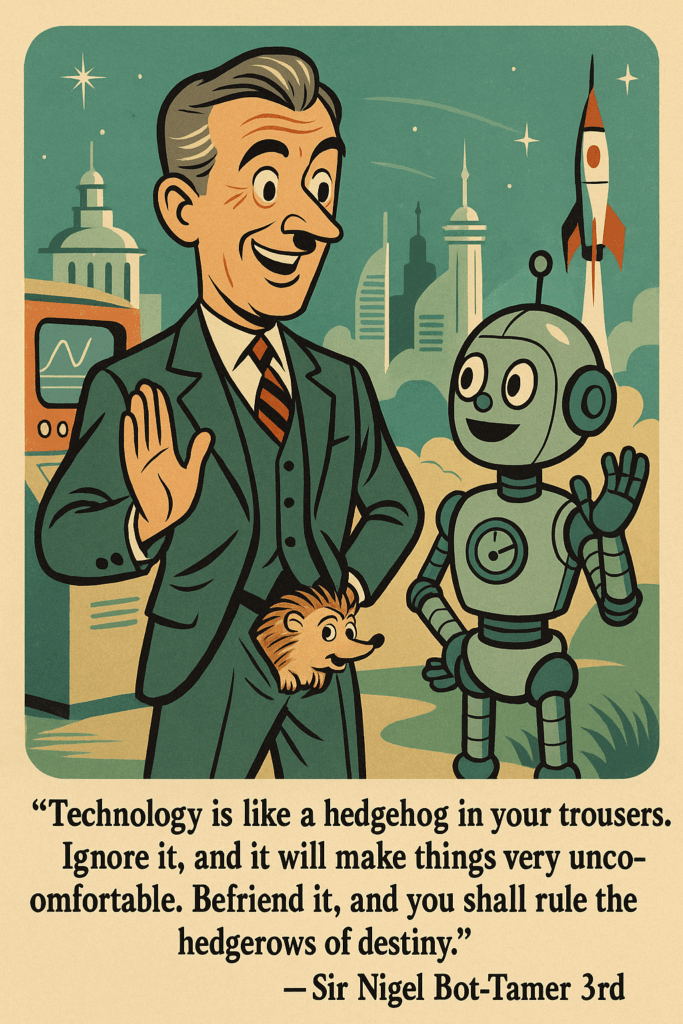
“Technology is like a hedgehog in your trousers. Ignore it, and it will make things very uncomfortable. Befriend it, and you shall rule the hedgerows of destiny.”

Thank you, Sir Nigel. That was… disturbingly specific.

Join us next time when we ask:

“Is your smart fridge spying on your jam consumption? And should you be worried?”

Toodlepip. Stay adaptable. And remember: in the age of machines, even your blender might be angling for a promotion.

🔋 How Easy Is It to Go Fully EV in Suburbs (USA)?

How Easy Is It to Go Fully EV in Suburbs (USA)?

Increasingly feasible, but with caveats:

Pros:

Home charging is usually easy due to garages or driveways.

Lower fuel and maintenance costs.

Expanding public charging infrastructure in suburban shopping centers, parks, and workplaces.

Range anxiety is reduced thanks to newer EVs with 250+ mile ranges.

Cons:

Initial costs can still be high (though improving).

Charger installation might be needed (Level 2 home charger: ~$1,000–$2,000).

Long-distance travel still requires planning.

🚗 When Should You Opt for an EV Car?

Best if you:

• Commute more than 15 miles a day.

• Have access to home or workplace charging.

• Need passenger and cargo space.

• Want a lower cost per mile and reduced maintenance.

Examples:

• Tesla Model 3

• Hyundai Ioniq 6

• Chevrolet Bolt EV

🏍️ When Is an EV Motorcycle Best?

Best if you:

• Commute < 50 miles per day.

• Want thrilling, fast acceleration with low fuel costs.

• Prefer minimal maintenance.

• Have limited parking or live in more urban/suburban sprawl.

Examples:

• Zero SR/F

• LiveWire ONE (by Harley-Davidson)

• SONDORS Metacycle (budget option)

🚲 When Is an EV Cycle (E-Bike) Best?

Best if you:

• Commute < 15 miles.

• Want exercise with a transportation boost.

• Live in a bike-friendly suburb.

• Need low cost and easy storage.

Examples:

• Rad Power Bikes RadCity 5 Plus

• Aventon Level.2

• Specialized Turbo Vado

Efficiency (Highest Miles per kWh)

As of recent data:

CategoryMost Efficient Model (2024/25)Efficiency (mi/kWh)
EV CarLucid Air Pure RWD~4.6 mi/kWh
EV MotorcycleEnergica Eva Ribelle / Zero FX~6–7 mi/kWh
EV BicycleMost mid-range e-bikes (Rad, Aventon)~20–25 mi/kWh

Note: E-bikes are extremely efficient due to low weight and energy usage, but they often use smaller batteries (measured in watt-hours, not kWh).

🔌 Public Charging Options in the USA

Transport TypeCharging AvailabilityConnector TypeNotes
EV CarWidespread: Level 2 & DC Fast (Tesla Supercharger, Electrify America, ChargePoint)CCS, NACS (Tesla), CHAdeMOTesla’s NACS becoming standard in the U.S.
EV MotorcycleSame as EV cars (if compatible)Mostly J1772 or CCSZero and LiveWire support Level 2; no DC fast yet
EV BicycleRare in public; usually plug into 120V outletsStandard 110V outletMay need to carry your own charger or battery

⚠️ Additional Considerations

Weather & Terrain: Cold climates can reduce battery efficiency.

Parking & Storage: E-bikes and motorcycles are more vulnerable to theft and weather exposure.

Charging Access at Apartments: Can be a barrier unless EVSE (electric vehicle supply equipment) is installed.

Incentives: Federal and state tax credits or rebates can significantly reduce cost.

Summary:

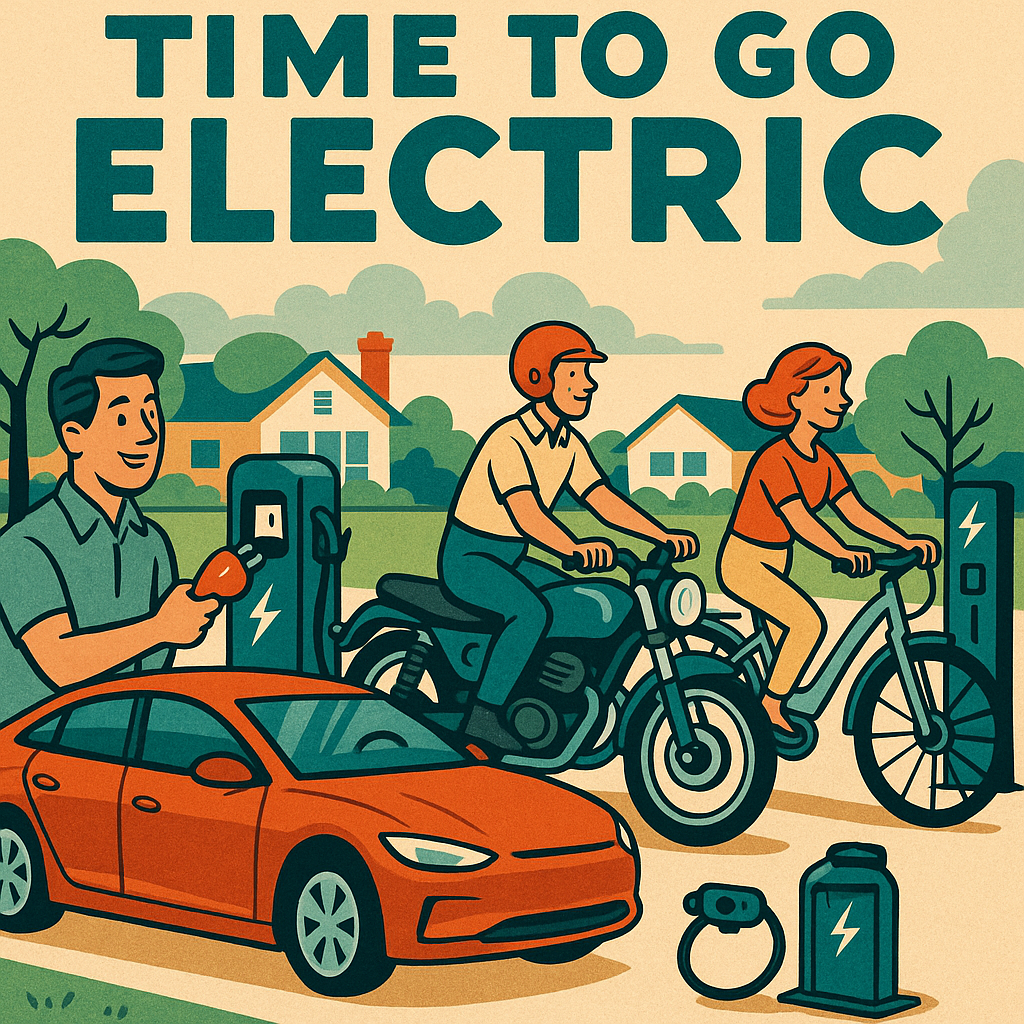
As suburban infrastructure evolves, transitioning away from gasoline and embracing electric transportation is more practical than ever. Whether you’re commuting with the efficiency of an EV car, enjoying the agility of an electric motorcycle, or zipping around town on an e-bike, there’s an electric option to suit every lifestyle. With expanding charging networks, impressive energy efficiency, and lower operating costs, it’s clear: the electric future isn’t just coming—it’s already parked in your driveway.

From Gas to Electric: How Switching to an EV Transforms Your Daily Life

The decision to switch from a traditional gasoline car to an electric vehicle (EV) often brings excitement, curiosity, and a sprinkle of apprehension. Much of this hesitation revolves around the idea of “charging time.” Many envision themselves standing next to their car for hours, clutching a charging plug as they wait for the battery to fill—an image far from reality. In truth, the lifestyle shift is profound, offering more convenience, simplicity, and time back in your day.

The Myth of Endless Charging Time

One of the biggest misconceptions about owning an EV is the fear of endless hours spent waiting for it to charge. People picture themselves standing by the plug for three to five hours as if it’s a mandatory ritual. The reality is quite the opposite.

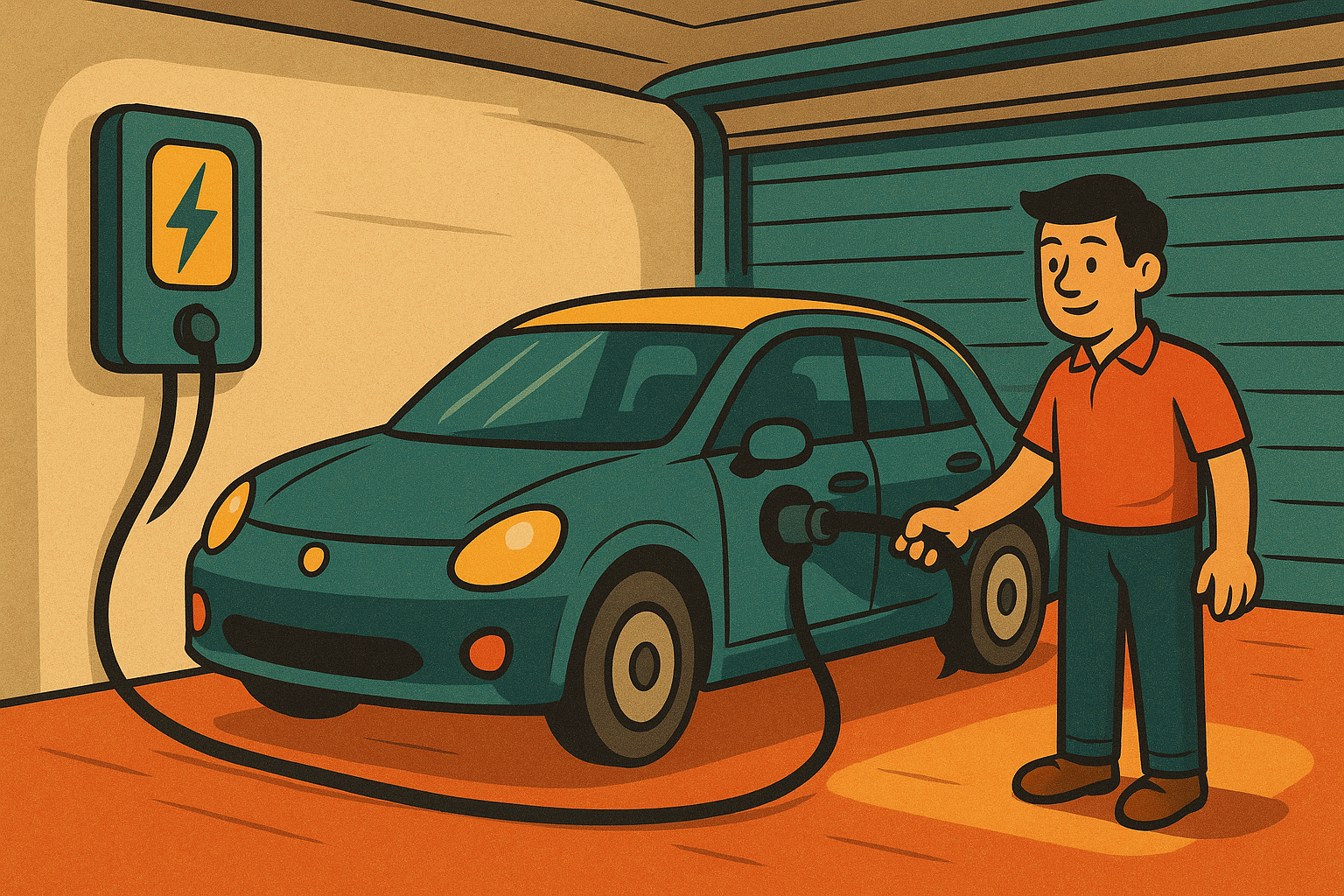
When you get home or arrive at the office, it’s a matter of seconds to plug in your car. No waiting, no standing there with the cable—it’s literally a “plug and walk away” routine. Charging happens while you live your life: while you sleep, work, or spend time with family.

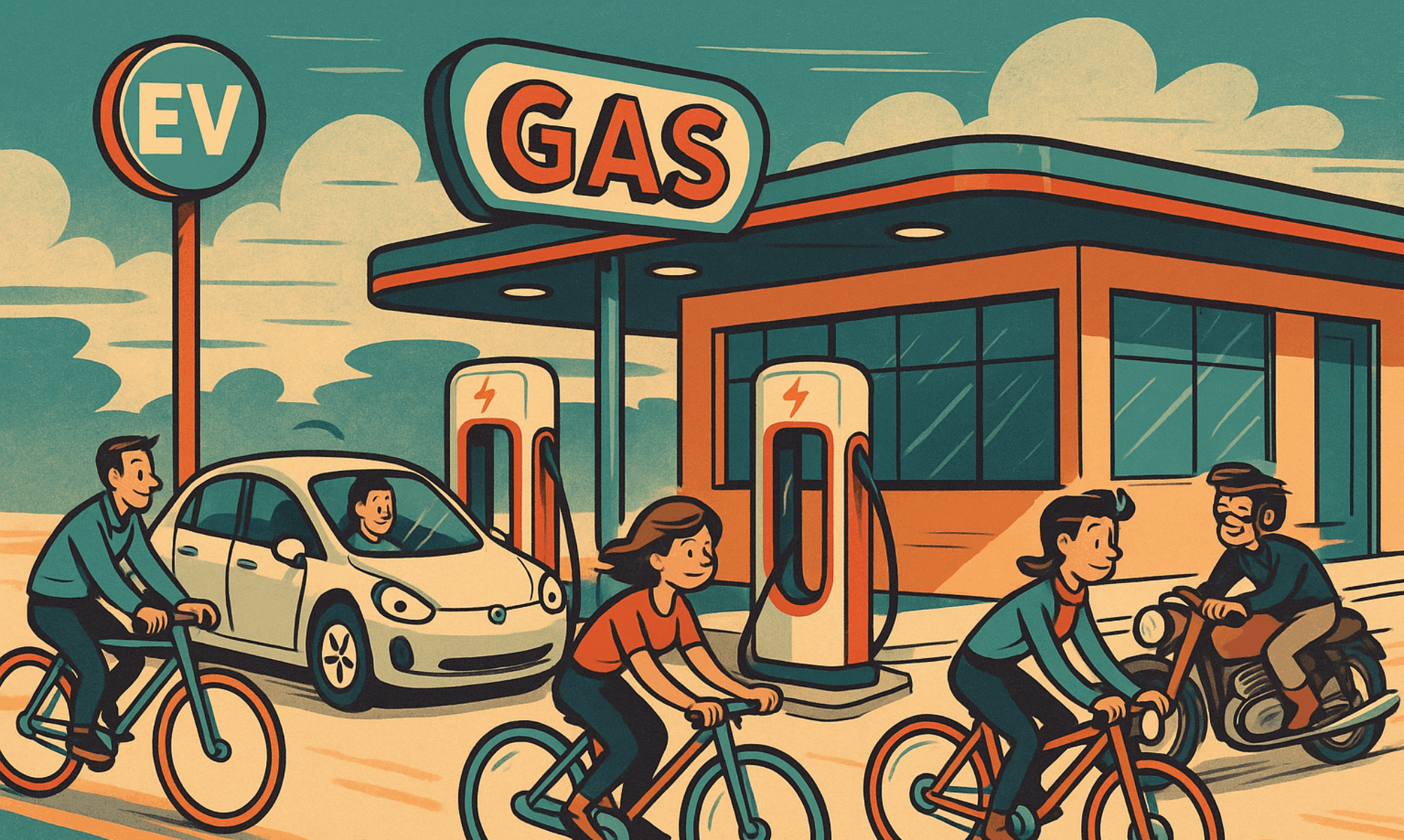
Compare that to a gas station visit. The old routine? Drive a few miles out of your way, get out, swipe your card, stand there holding the pump handle for 5–10 minutes, and then maybe pop inside to pay or grab a snack. It’s an errand that punctuates your schedule, demanding your attention. With an EV, that whole routine is virtually erased.

Road Trips: A Shift in Routine, Not in Time

Long drives and road trips are where most skeptics raise an eyebrow. “Won’t I be stuck charging for hours?” they ask. Surprisingly, the time difference is minimal. When EV drivers stop to charge, it’s often paired with natural breaks—using the restroom, stretching, or grabbing a beverage.

While your EV tops up, you’re not standing there waiting. You’re doing what you’d do on any road trip break. More and more charging stations are located at convenient stops—cafes, shopping centers, and rest areas—making it a seamless part of the journey. By the time you’re back, your EV is ready to go, and you’ve handled everything you needed. It’s not time lost; it’s time well used.

More Time, Less Hassle

The biggest surprise for most new EV owners is how much time they get back. No more surprise trips to the gas station. No more last-minute fill-ups on a cold morning. Every morning, your EV is “topped up” and ready to go, like waking up to a full tank without even thinking about it.

Imagine coming home, plugging in for mere seconds, and then walking inside. That’s it. No lines, no fumes, no fuss. Over weeks and months, those minutes saved add up to hours—time you get back for things that matter.

A Familiar Shift: Like Windows to MacOS

If you’ve ever switched from a Windows PC to a Mac, you know the feeling. At first, the change seems intimidating. Some things look different, the way you do tasks isn’t quite the same. But after a short adjustment, you realize things are smoother, simpler, and more intuitive. That’s the EV experience.

At first, plugging in instead of pumping gas feels new. But very quickly, it becomes second nature—an effortless part of your daily rhythm. And like that shift to a Mac, you soon wonder why you didn’t make the change sooner.

Conclusion: Embrace the Change

Switching to an electric vehicle isn’t just about driving differently; it’s about living differently. It’s about removing small, routine burdens from your life—one gas station visit at a time. With a quick plug-in at night or at work, your car is always ready. Long trips are still smooth and seamless, just with a different rhythm.

In the end, driving electric isn’t about waiting longer; it’s about living better. Are you ready to make the change?